🚨 BREAKING NEWS 🚨
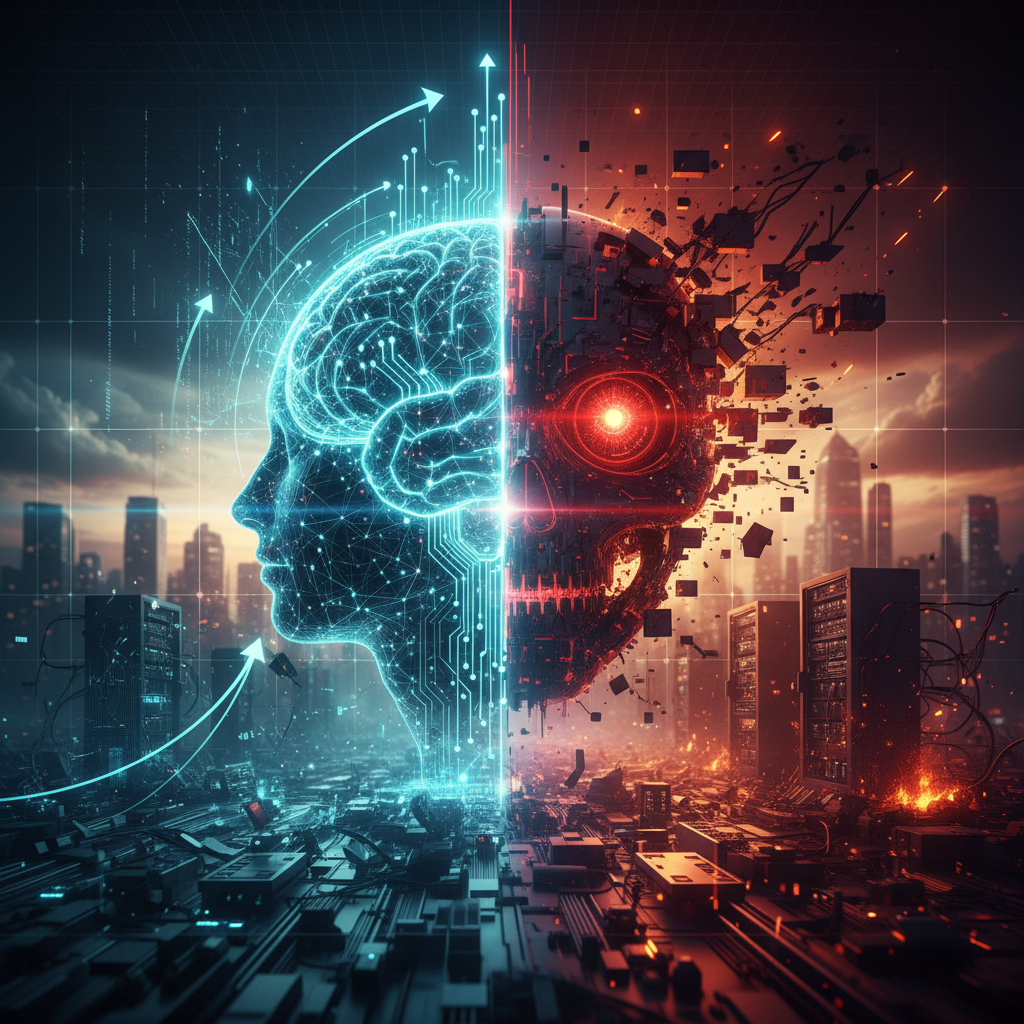
The rapid evolution of Large Language Models (LLMs) like GPT-4, Claude, and Gemini is ushering in an era of unprecedented technological capability, transforming industries from healthcare to education and creative arts. While these sophisticated AI systems promise to unlock new levels of productivity and innovation, their exponential growth also brings a complex web of ethical dilemmas, demanding urgent attention to issues of bias, misinformation, intellectual property, and job displacement.
The AI Boom and Its Capabilities
The past few years have witnessed a staggering acceleration in AI development, particularly in the realm of generative AI. LLMs, trained on vast datasets of text and code, can now perform tasks that were once considered exclusive to human intellect: writing articles, generating code, translating languages, summarizing complex documents, and even creating original content. This has led to a surge in investment and adoption, with companies integrating AI tools into their workflows to automate tasks, personalize customer experiences, and accelerate research. Experts highlight the democratizing potential of these tools, making advanced capabilities accessible to a broader audience.
Economic and Societal Impact
The economic implications are profound. Businesses are reporting significant gains in efficiency, allowing for faster product development and more targeted marketing strategies. In healthcare, LLMs assist in diagnostics, drug discovery, and patient management. Education is being reshaped by personalized learning tools and AI tutors. However, this disruption isn’t without its challenges. Concerns about job displacement are mounting, especially in sectors involving routine cognitive tasks. Economists are grappling with how societies can adapt to a future where AI handles a substantial portion of current human labor.
The Ethical Minefield: Bias and Misinformation
Perhaps the most pressing concerns revolve around ethics. LLMs learn from the data they are fed, and if that data contains societal biases – be it racial, gender, or cultural – the AI will inevitably perpetuate and even amplify them. This can lead to unfair outcomes in critical applications like hiring, lending, or even criminal justice. Furthermore, the ability of LLMs to generate highly convincing but entirely fabricated information, often termed “hallucinations,” poses a significant threat of misinformation and disinformation, potentially eroding trust in digital content and impacting public discourse.
Intellectual Property and Ownership
Another contentious area is intellectual property. The training data for LLMs often includes copyrighted material, raising questions about fair use, compensation for creators, and the ownership of AI-generated content. Artists, writers, and musicians are increasingly vocal about their works being used without permission or attribution to train models that then compete with them. This necessitates a robust legal and ethical framework to ensure creators are fairly recognized and compensated.
The Call for Regulation and Responsible AI
Recognizing these challenges, there’s a growing global consensus on the need for responsible AI development and robust regulatory frameworks. Governments worldwide are beginning to explore legislation that addresses AI safety, transparency, accountability, and user rights. Initiatives like the EU’s AI Act aim to classify AI systems by risk level, imposing stricter requirements on high-risk applications. Tech companies themselves are also investing in “AI ethics” teams and developing internal guidelines, though critics argue that self-regulation might not be sufficient.
Balancing Innovation with Safeguards
The path forward requires a delicate balance. Suppressing AI innovation is not a viable option, given its immense potential to solve some of humanity’s most complex problems, from climate change to disease. Instead, the focus must be on fostering innovation within a framework of strong ethical guardrails. This includes investing in research to mitigate bias, developing robust methods for content provenance and verification, and promoting AI literacy among the general public. Collaborative efforts between policymakers, industry leaders, academics, and civil society are crucial to shape an AI future that is beneficial and equitable for all.
The journey into the AI-powered future is exhilarating but fraught with challenges. Large Language Models represent a powerful new frontier, capable of augmenting human intellect and driving progress on an unprecedented scale. However, harnessing this power responsibly demands proactive engagement with its ethical implications. By prioritizing transparency, accountability, and human-centric design, societies can navigate the complexities of this technological revolution, ensuring that AI serves as a tool for collective advancement rather than a source of unintended harm. The decisions made today will define the ethical landscape of tomorrow’s intelligent machines.
📱 Stay Updated! Follow us for the latest breaking news and exclusive stories.