🚨 BREAKING NEWS 🚨
The Global Race for Renewable Energy Dominance: Geopolitical Shifts and New Power Dynamics
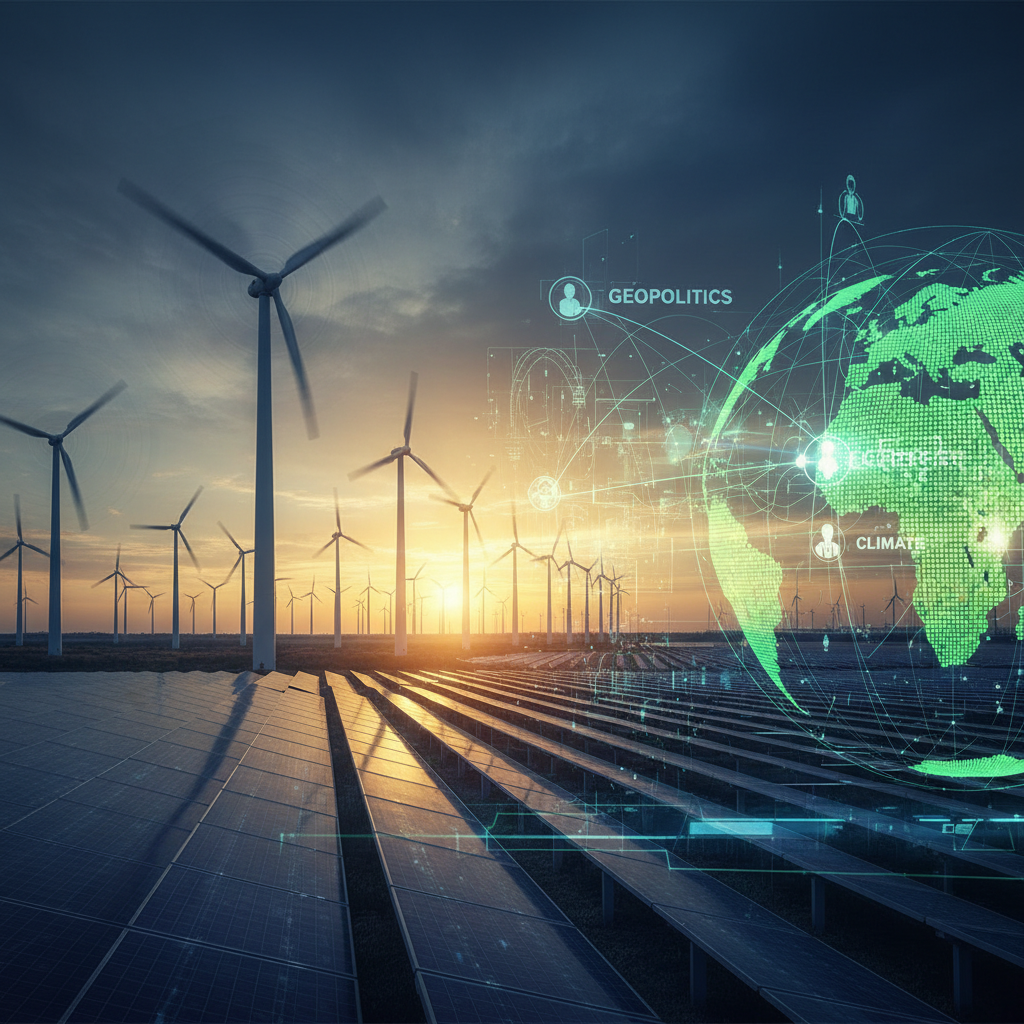
The world is in the midst of an unprecedented energy transition, moving away from fossil fuels towards cleaner, sustainable sources. This shift, driven by urgent climate imperatives, energy security concerns, and rapid technological advancements, has ignited a fierce global race for dominance in renewable energy. Far from being a mere technological or environmental undertaking, this race is fundamentally reshaping geopolitical landscapes, creating new dependencies, and redefining international power dynamics on a scale not seen since the industrial revolution.
The stakes are immense. The nation or bloc that controls the future of renewable energy technologies, manufacturing, and critical supply chains will wield significant economic and political influence in the 21st century. This competition is not just about reducing carbon emissions; it’s about securing future prosperity, national security, and global leadership.
The Drivers of the Green Energy Scramble
Several convergent factors are accelerating this global scramble:
- Climate Crisis: The undeniable urgency to mitigate climate change, as highlighted by scientific consensus and increasing extreme weather events, is the primary catalyst. Nations are committing to ambitious net-zero targets, necessitating a rapid decarbonization of their energy systems.
- Energy Security: Geopolitical instability, particularly Russia’s war in Ukraine, has underscored the vulnerabilities of relying on volatile fossil fuel markets and autocratic regimes. Renewables offer a pathway to greater energy independence and resilience.
- Technological Advancements: Breakthroughs in solar PV, wind turbines, battery storage, and green hydrogen production have dramatically lowered costs, making renewables economically competitive, and often superior, to traditional energy sources.
- Economic Opportunity: The green energy sector represents trillions of dollars in investment, job creation, and innovation. Nations are eager to capture a significant share of this burgeoning market.
Key Players and Their Strategies
The race is characterized by intense competition among major global powers, each leveraging unique strengths and pursuing distinct strategies:
China: The Manufacturing Powerhouse
China has emerged as the undisputed leader in renewable energy manufacturing. It dominates the global supply chains for solar panels (controlling over 80% of manufacturing capacity for polysilicon, wafers, cells, and modules), wind turbines, and lithium-ion batteries. Beijing’s strategy has been a long-term, state-backed industrial policy, combining massive domestic investments, strategic acquisitions, and subsidized manufacturing to achieve economies of scale and cost leadership. This has given China significant leverage, as many Western nations are heavily reliant on Chinese components to meet their renewable targets.
United States: Innovation and Industrial Policy Revival
After a period of inconsistent policy, the U.S. has re-entered the race with renewed vigor, primarily through the Inflation Reduction Act (IRA). This landmark legislation offers unprecedented tax credits and subsidies for domestic manufacturing and deployment of clean energy technologies, aiming to reshore supply chains, create green jobs, and reduce reliance on foreign components, particularly from China. The U.S. strategy emphasizes innovation, advanced research, and market-based incentives to spur private sector investment.
European Union: Green Deal and Energy Independence
The EU’s ambitious Green Deal aims to make Europe the first climate-neutral continent by 2050. Driven by both climate goals and the urgent need to reduce reliance on Russian gas, the EU is investing heavily in offshore wind, green hydrogen, and grid modernization. Its strategy involves a mix of regulatory frameworks, carbon pricing, and targeted industrial policies to foster a robust domestic clean energy industry, though it faces challenges in competing with China’s manufacturing scale and the U.S.’s IRA subsidies.
Other Significant Contenders
- India: With a massive energy demand and ambitious renewable targets, India is rapidly expanding its solar and wind capacity, aiming to become a significant player in manufacturing and deployment, often balancing cooperation with and competition against China.
- Japan and South Korea: These technologically advanced nations are focusing on niche areas like hydrogen fuel cells, advanced battery technologies, and smart grids, seeking to maintain their competitive edge through innovation.
- Middle Eastern Nations: Traditionally fossil fuel exporters, countries like Saudi Arabia and the UAE are investing heavily in large-scale solar and green hydrogen projects, aiming to diversify their economies and become future exporters of green energy.
Geopolitical Implications: New Dependencies and Power Dynamics
The transition to renewables is creating a new set of geopolitical realities:
Shift in Resource Dependencies
The world’s energy dependencies are shifting from oil and gas producers to nations controlling critical minerals (lithium, cobalt, nickel, rare earths) essential for batteries, electric vehicles, and wind turbines. China currently dominates the processing and refining of many of these minerals, even if the raw materials are sourced elsewhere. This creates new vulnerabilities and potential choke points in global supply chains.
Supply Chain Vulnerabilities
The high concentration of renewable energy manufacturing in a few countries, particularly China, exposes global supply chains to geopolitical risks, trade disputes, and disruptions. Nations are now scrambling to diversify and localize these supply chains, leading to increased protectionism and industrial policies.
Trade Wars and Protectionism
The race for dominance is fueling trade tensions. Subsidies (like the IRA), tariffs, and local content requirements are becoming common tools as nations seek to protect and grow their domestic clean energy industries, potentially leading to disputes at the WTO and hindering global cooperation.
New Alliances and Energy Diplomacy
The need for critical minerals, technology sharing, and market access is fostering new strategic alliances and energy diplomacy efforts. Countries with abundant renewable resources or strategic mineral deposits are gaining new geopolitical leverage.
Impact on Developing Nations
Developing nations have the opportunity to leapfrog fossil fuel infrastructure and build green energy systems from scratch. However, they also risk becoming new battlegrounds for influence, dependent on major powers for technology and financing, or facing resource exploitation pressures for critical minerals.
Challenges and the Path Forward
Despite the immense opportunities, the global renewable energy race faces significant challenges. These include the need for massive grid modernization, developing long-duration energy storage solutions, addressing the environmental and social impacts of critical mineral mining, and managing the economic dislocation in fossil fuel-dependent regions. The tension between nationalistic industrial policies and the need for global cooperation on climate change remains a critical balancing act.
Ultimately, the transition to renewable energy is not just an environmental imperative but a profound geopolitical transformation. The nations that successfully navigate this complex landscape – investing in innovation, securing supply chains, fostering international partnerships, and adapting to new power dynamics – will be the architects of the 21st-century global order. The race is on, and its outcome will define the future of energy, economy, and international relations for generations to come.
📱 Stay Updated! Follow us for the latest breaking news and exclusive stories.